
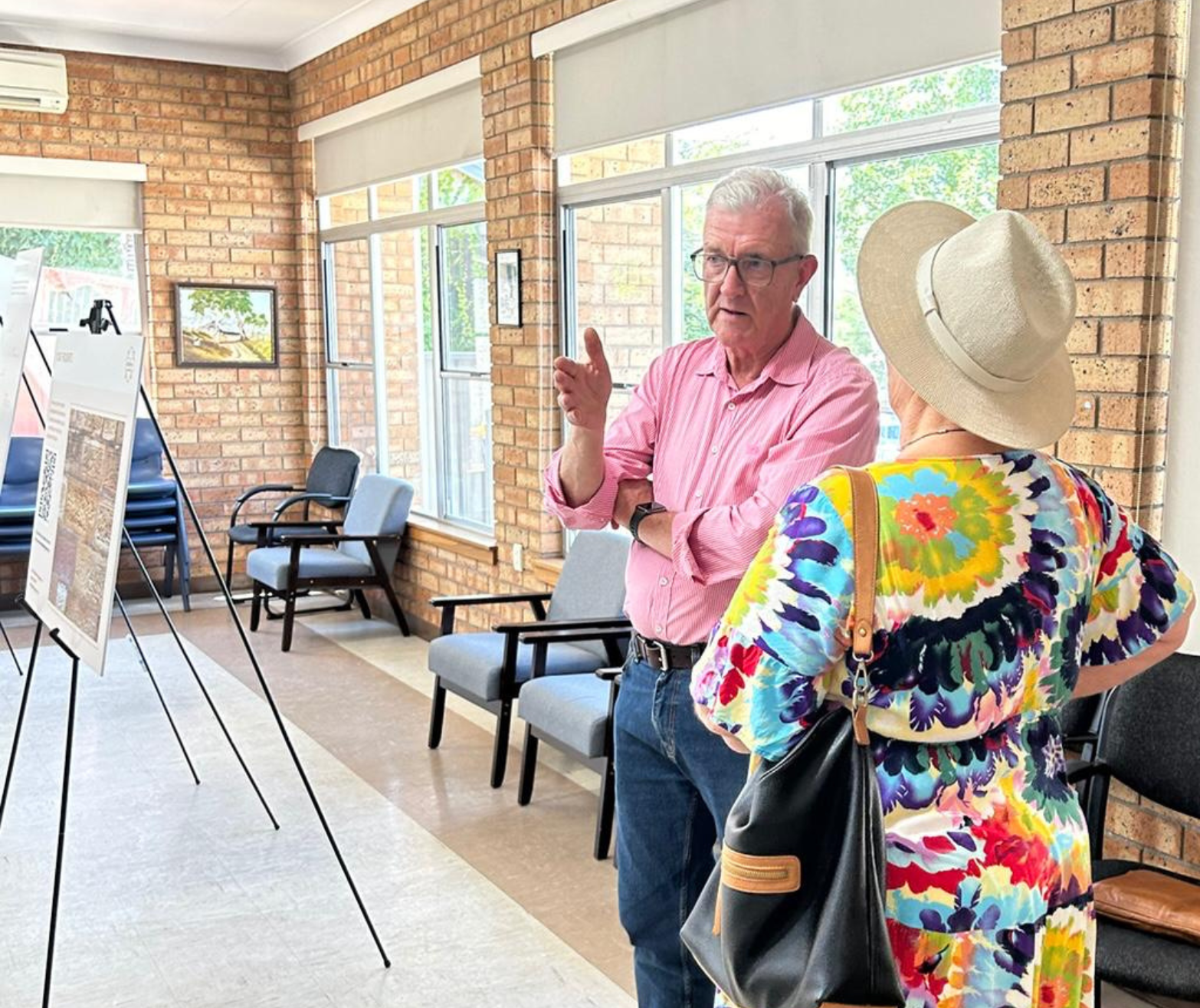

When discussing a stakeholder engagement strategy with clients we always recommend getting in early. Early engagement with the local community offers significant strategic, social, and regulatory advantages that can materially improve the chances of a smooth and timely development approval.
In New South Wales (NSW), early engagement is best practice in stakeholder management strategy, but it is also increasingly embedded in statutory expectations under the NSW Department of Planning, Housing and Infrastructure’s engagement guidelines.
Early engagement helps build trust and goodwill by opening transparent channels of communication before plans are finalised. The community is always more receptive when it feels respected and informed. Early conversations with the local community provide an opportunity to share initial ideas “in good faith,” which helps foster positive relationships from the outset.
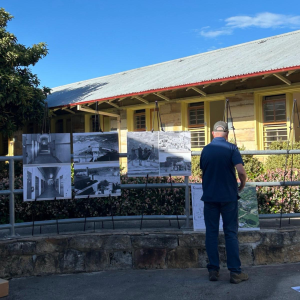 Some recent work Primary has undertaken on behalf of its client in the NSW Southern Highlands has proven to be useful in ensuring that a conversation happens from the outset of the planning pathway. This early rapport even with groups and individuals opposed to a proposal at least provides an opportunity to discover what the issues are and help inform the final design of a proposal.
Local communities can often provide local knowledge about neighbourhood character, traffic patterns, amenity expectations, cultural considerations, and environmental sensitivities. Incorporating this knowledge early allows developers to refine designs in ways that both enhance functionality and strengthen alignment with local values.
This leads to more resilient, sustainable, and contextually appropriate developments. It can also assist in changing the conversation with the local community and help focus on the important issues rather than issues that in some cases are irrelevant.
Councils increasingly value applicants who demonstrate robust pre‑lodgement consultation, and developments that clearly reflect community considerations tend to encounter fewer objections. This translates into a more efficient approvals pathway and reduces the risk of delays linked to community pushback or procedural challenges.
Early engagement can assist in reducing risk and cost exposure. Late‑stage objections or design challenges can create costly redesigns, construction delays, or even project refusals. By identifying concerns early, whether related to traffic, overshadowing, heritage, or social impacts, applicants can address issues proactively before formal assessment begins.
Any stakeholder engagement plan should factor in doing the on the ground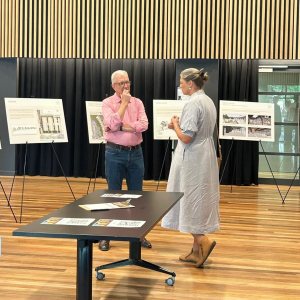 stakeholder and community assessment and finding out what the real issues are for the community. This mitigates the risk of “surprises” during the public exhibition phase.
While it may sound like common sense, developing and executing an effective stakeholder engagement framework requires experience, insight, and a deep understanding of both community dynamics and regulatory expectations.
If you’re planning a development and want to ensure your stakeholder communication strategy is working for you and not against you, our team can help. Get in touch today to discuss how we can support you in navigating the pathway to approval with confidence.

